How Senior Fall Detection Technology Is Changing Home Care in New Zealand
Falls are one of the most common and dangerous events for older adults living independently. In New Zealand, where many seniors want to age in place rather than move into residential care, the ability to detect a fall quickly and respond appropriately can mean the difference between a minor incident and a life-altering injury. Senior fall detection technology has evolved significantly over the past decade, moving from simple manual alarms to sophisticated systems that use motion sensors, accelerometers, and even artificial intelligence to identify when someone has fallen and needs help.
I have spent years working with families and caregivers who are trying to balance respect for their loved one's independence with the very real fear that a fall might go unnoticed for hours or days. That fear is not unfounded. Statistics from health authorities in New Zealand show that falls are the leading cause of injury-related hospital admissions for people over 65. The emotional toll on families is just as heavy as the physical one. A senior fall detection system that works reliably gives everyone some peace of mind, but choosing the right one requires understanding how these systems work and what they can and cannot do.
What Makes Fall Detection Different From a Simple Panic Button
The earliest personal alarms required the wearer to press a button to call for help. These pendant alarms and wearable devices are still widely used, and they have saved many lives. But they have a fundamental limitation: if the person is unconscious, confused, or physically unable to reach the button, the alarm never goes off. This gap is what modern fall detection technology aims to close. Instead of relying on the user to initiate a call, the system itself recognises the event and triggers an emergency response automatically.
Most automatic fall detection systems use one or more sensors to detect the sudden motion and impact of a fall. An accelerometer, for example, measures changes in velocity and orientation. When the device detects a rapid downward movement followed by stillness, it assumes a fall has occurred. Some systems also use artificial intelligence to distinguish between a genuine fall and everyday activities like bending over or sitting down quickly. This is important because false alarms can lead to complacency or frustration, causing users to stop wearing the device altogether.
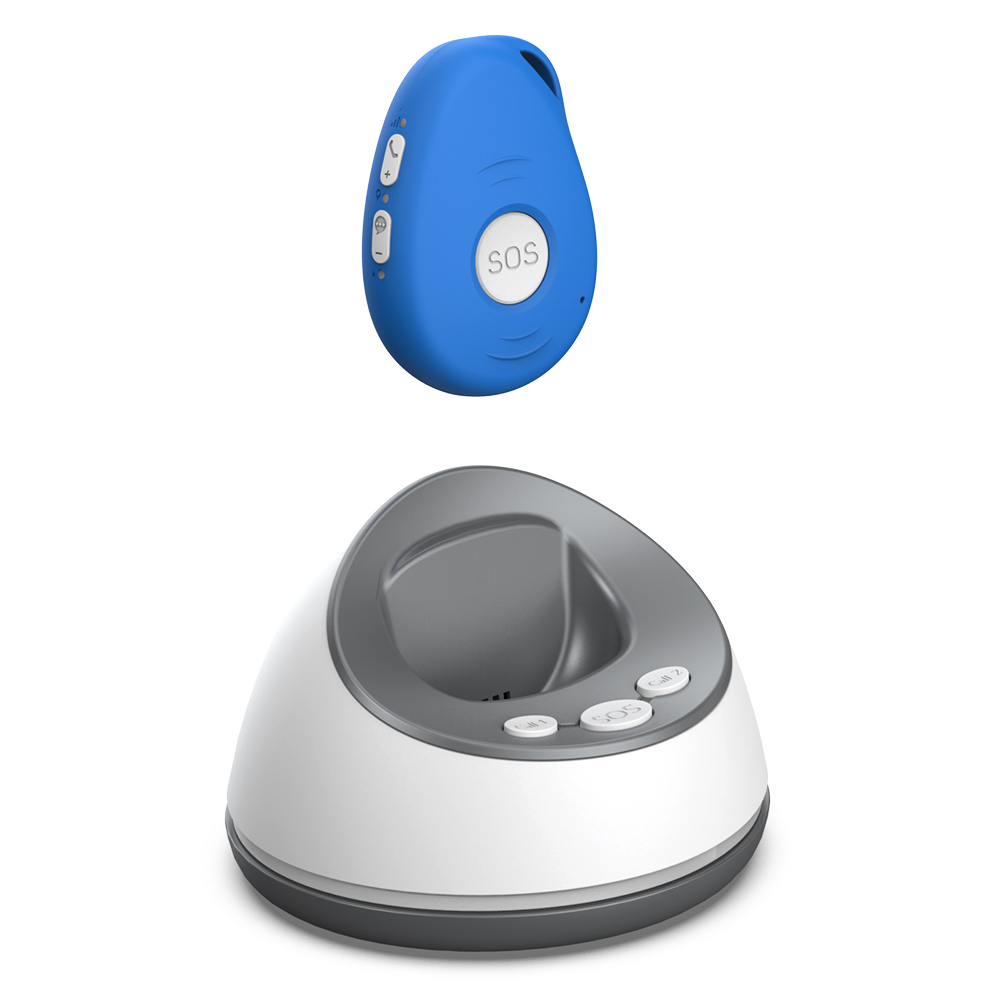
In my experience, the best systems combine automatic detection with a manual override. That way, if the wearer is conscious and able to press a button, they can still call for help directly. But if they cannot, the technology steps in. This hybrid approach is now common in many medical alert systems available in New Zealand, including some that offer GPS tracking so that help can be dispatched even if the person has fallen outside their home.
How Senior Fall Detection Fits Into a Broader Safety Plan
Senior fall detection is just one piece of a larger picture when it comes to senior safety. It works best when paired with other tools and practices that reduce the risk of falls in the first place. Fall prevention strategies, such as removing tripping hazards, installing grab bars, and improving lighting in the home, are essential. But no environment can be made completely risk-free, especially as mobility and balance decline with age. That is where technology provides a safety net.
Many families I speak with are surprised to learn that modern fall detection can also integrate with smart home systems. For example, motion sensors placed around the house can alert caregivers if there is no activity detected for an unusually long period. When combined with a wearable device that includes fall detection, these systems can provide a detailed picture of an older person's daily patterns and alert family members to potential problems before a fall even happens. This kind of proactive monitoring is becoming more common in New Zealand as internet-connected devices become more affordable and easier to set up.
Another feature that families often value is two-way calling. This allows the person who has fallen to speak directly with a response team through the device, even if they cannot press a button. The responder can assess the situation, talk the person through what to do, and decide whether to send an ambulance or contact a family member. For someone who is frightened and disoriented after a fall, hearing a calm voice can make a huge difference. It also helps the emergency response team understand the severity of the situation before they arrive.
What to Look for in a Fall Detection System
Choosing the right system involves weighing several factors. Not all devices are created equal, and what works well for one person might not suit another. Here are some practical considerations based on what I have seen families grapple with:

- Accuracy of detection. Look for devices that have been tested against real-world fall scenarios. Some systems use only an accelerometer, while others combine it with a gyroscope or barometric pressure sensor to improve accuracy. Ask how the manufacturer distinguishes falls from other movements.
- Battery life and charging. Wearable devices need to be worn consistently to be useful. If the battery dies frequently or the device is uncomfortable to wear, it will end up in a drawer. Check how often the device needs to be charged and whether it gives a low-battery warning.
- Water resistance. Many falls happen in the bathroom. A device that cannot be worn in the shower or while bathing is much less useful. Look for a model that is at least water-resistant to a reasonable depth.
- Range and connectivity. Some systems work only within a certain distance from a base station, while others use cellular or GPS tracking so they work anywhere. Consider the person's lifestyle and whether they spend time in the garden, at the shops, or visiting friends.
- Monthly fees vs. no monthly fees. Some providers charge ongoing monthly fees for monitoring, while others, like Familyr, offer the service with no monthly fees after the initial purchase. Over time, this can represent significant savings, especially for families on a fixed budget.
I have seen families choose a system based solely on price, only to find that the device is too complicated for their elderly relative to use. Simplicity matters. If the device requires multiple steps to activate or has a confusing interface, it will not be used when it is needed most. A pendant alarm that is worn around the neck or as a wristband is still one of the most effective form factors because it is always within reach and does not require any special action to operate.
The Role of Family and Caregiver Alerts
One of the most reassuring aspects of modern fall detection is that it can be linked directly to caregiver alerts. When a fall is detected, the system can notify designated family members or friends in addition to the central monitoring station. This means that even if the older person cannot speak, the family knows something has happened and can respond quickly. In New Zealand, where families are often spread across different cities or towns, this feature provides a sense of connection and involvement that would otherwise be impossible.
I recall a conversation with a woman in Auckland whose mother lived alone in Hamilton. She had tried several systems over the years, but none of them gave her the confidence that her mother would get help if she fell. When she found a system that combined fall detection technology with automatic caregiver alerts, she said it was like a weight being lifted. She no longer had to call her mother every morning just to check she was okay. The system gave her mother the independence she valued while keeping the family connected.
Looking Ahead: Where Fall Detection Is Going
The technology behind senior fall detection continues to improve. Artificial intelligence is making it possible to reduce false alarms and even predict falls before they happen by analysing gait and balance changes over time. Some systems now include motion sensors that can detect if someone has not moved from a certain spot for an unusually long time, which could indicate a fall even if the wearable device did not register it. These advances are exciting, but they also raise questions about privacy and data security. Families need to choose providers that are transparent about how they handle personal information.

For now, the most important thing is that the technology is available and accessible. In New Zealand, there are several options for personal alarms and medical alert systems, ranging from basic models to more advanced units with GPS tracking and two-way calling. The key is to start the conversation early, before a fall happens, and to involve the older person in the decision. When they feel in control of their safety, they are much more likely to use the device consistently.
Senior fall detection is not a replacement for human connection or good home design. It is a tool that helps families support their loved ones while respecting their desire to live independently. When chosen carefully and used consistently, it can transform the experience of aging in place from a source of anxiety into a manageable, even comfortable, reality.